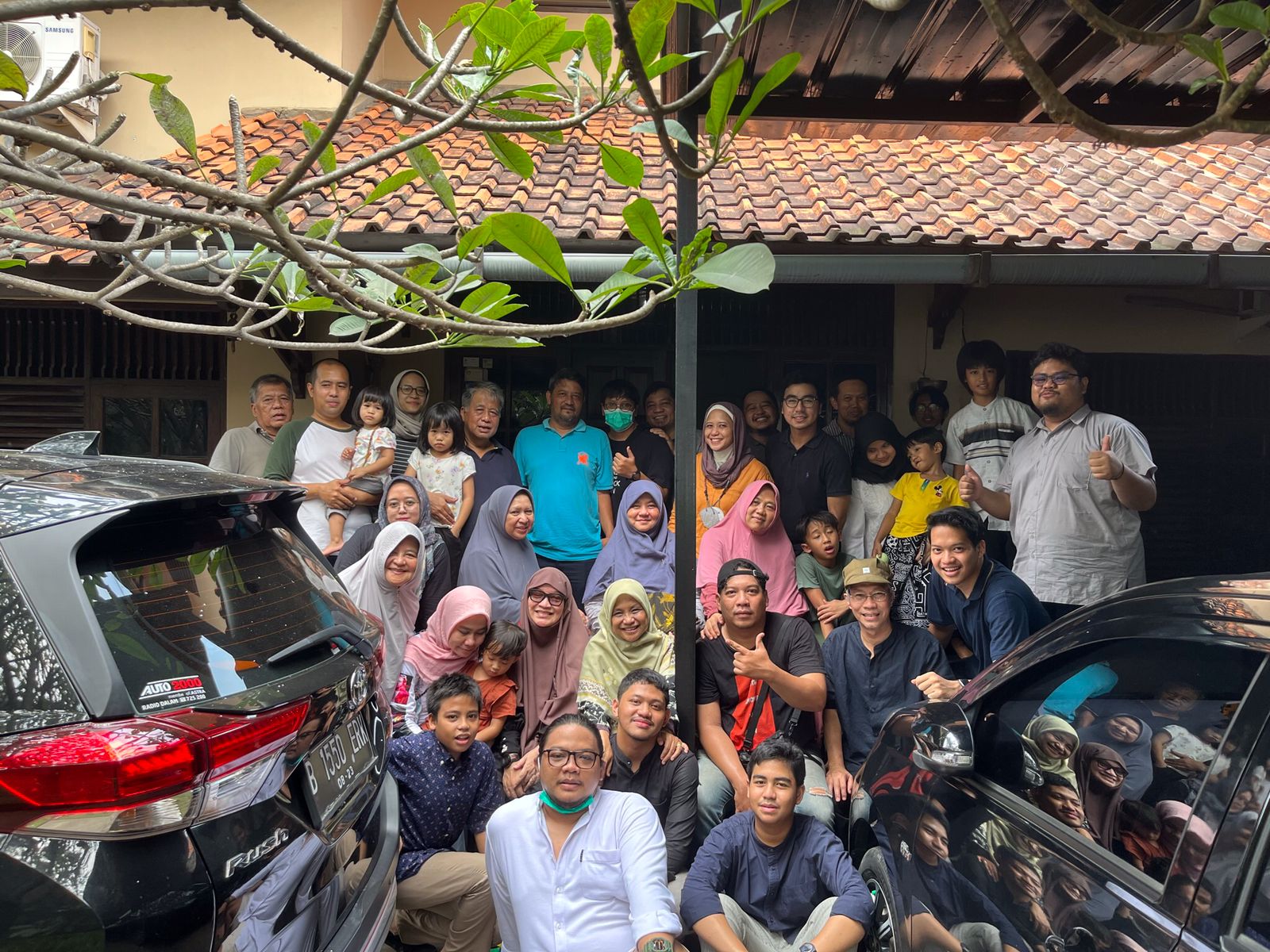
I used to get scolded by my mom when relatives came over, and I just stayed quiet in my room. Poe often nagged me at first for just sitting silently like a cactus.
Luckily, I didn’t need to explain much to either of them. Both have been kind enough to be inclusive and accept me as I am. Unfortunately, society isn’t always that accepting, so both of them helped me learn how to, at the very least, survive and function as part of society.
Without having to lose my identity or tear down my boundaries.
Sadly, a skill many people consider trivial requires massive energy because I have to engage my brain’s Executive Function capacity fully. Believe me, it’s incredibly exhausting.
Eid al-Fitr is one of the moments that drains me the most because I have to max out my Executive Function.
I’ve written before about how I often don’t feel comfortable or enjoy Eid like others. It’s been quite a journey for me to get to a point where I can finally talk about my brain’s executive function—which, as someone with ADHD, works differently.
At first, I thought I was just an introvert who wasn’t comfortable around people. Then I thought it was simply trauma from celebrating Eid without my mom—because having her around used to make Eid more bearable. But once I was officially diagnosed with ADHD, I realized I’m not an introvert. I’m exhausted.
So what is executive function?
Executive functions are high-level cognitive skills that manage and coordinate other mental abilities and behaviors like planning, organizing, focusing, and working memory. These functions are mainly tied to the brain’s prefrontal cortex.
They’re called “executive” because they demand massive energy to operate. That’s why you feel tired and hungry after intense concentration, right?
Think of it like apps on a smartphone. When you use a high-capacity app frequently, the battery drains faster, and the phone heats up—it needs to rest. Our brains are the same. The executive function uses a tremendous amount of physical energy when used often—especially for us with ADHD.
Simply put, people with ADHD often have to consciously and manually “switch on” executive functions that operate automatically for most others—like regulating emotions, planning a response, staying focused in a conversation, filtering out distractions, or reading social cues.
It feels like running a high-performance engine on very limited fuel.
I can do it, but the cost is high, and my battery drains fast.
As someone with ADHD, I don’t just hear stories—I feel them. Every detail, every shift in tone, and every facial expression floods into my head. While others can easily switch topics, I’m trying to process everything all at once. And while doing that, I’m also trying to follow the rules of social interaction:
- Monitor my tone of voice and body language to react “appropriately.”
- Interpret others’ feelings to remain polite
- Say the “right” thing to avoid hurting anyone
- Smile, stay engaged, and be present—even when my brain is already overwhelmed
In the end, my executive function is in overdrive. Filtering thoughts, managing emotional responses, and translating impulses into “socially acceptable” behaviors—nonstop. It’s exhausting.
Eid al-Fitr: The Noise Behind the Quiet
Eid al-Fitr is a time of joy, gratitude, and connection. Families gather, share meals, tell stories, and celebrate together. For many, it’s a season of warmth.
But for others—like me, someone with ADHD—it can also be a time of quiet exhaustion hidden beneath the surface.
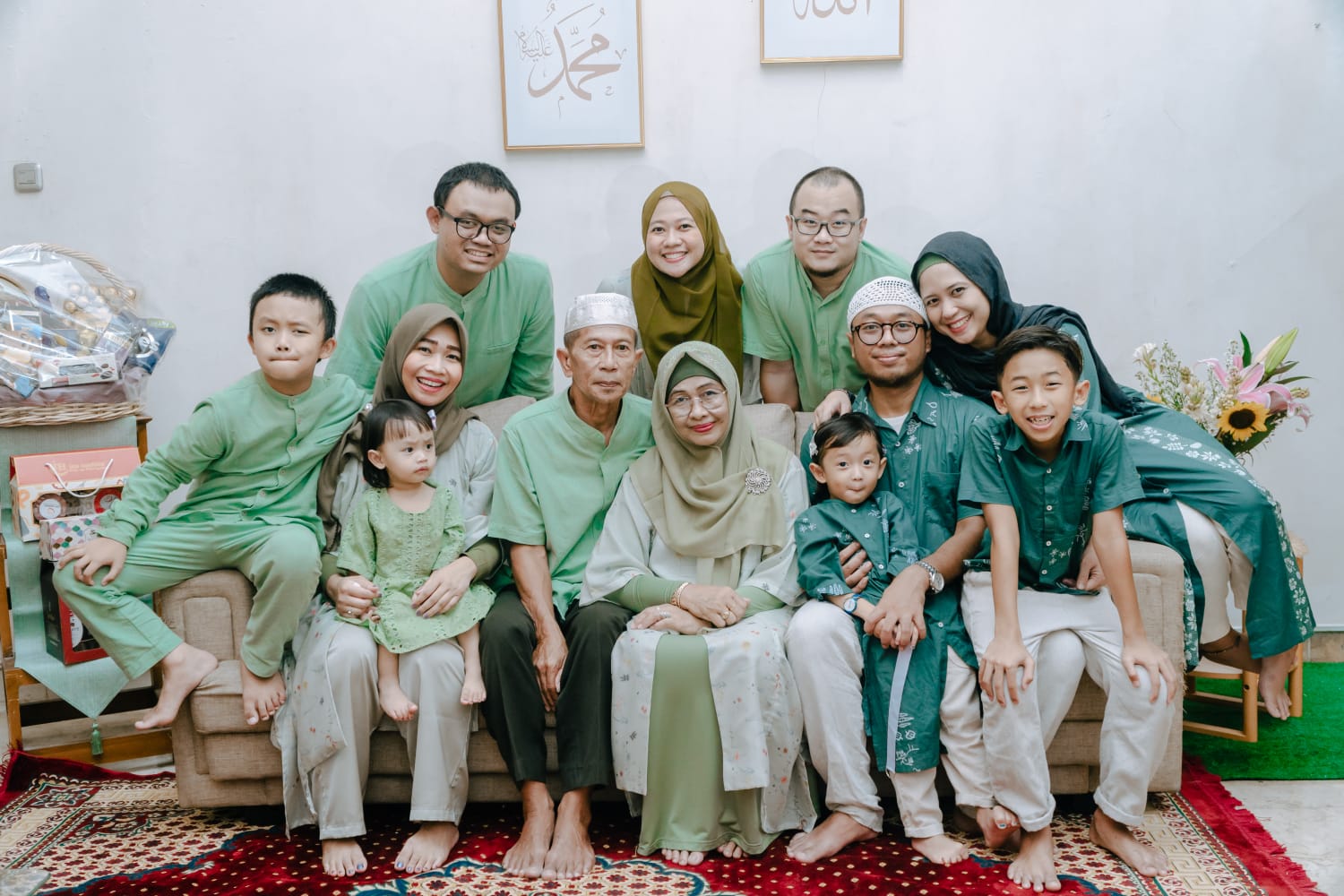
Not because I don’t love my big family. I deeply love them. I cherish the closeness, shared memories, exceptional food, and all the traditions that bring us together.
But when conversations overlap and emotions flow endlessly, my body and mind feel overwhelmed—and often, I’m misunderstood.
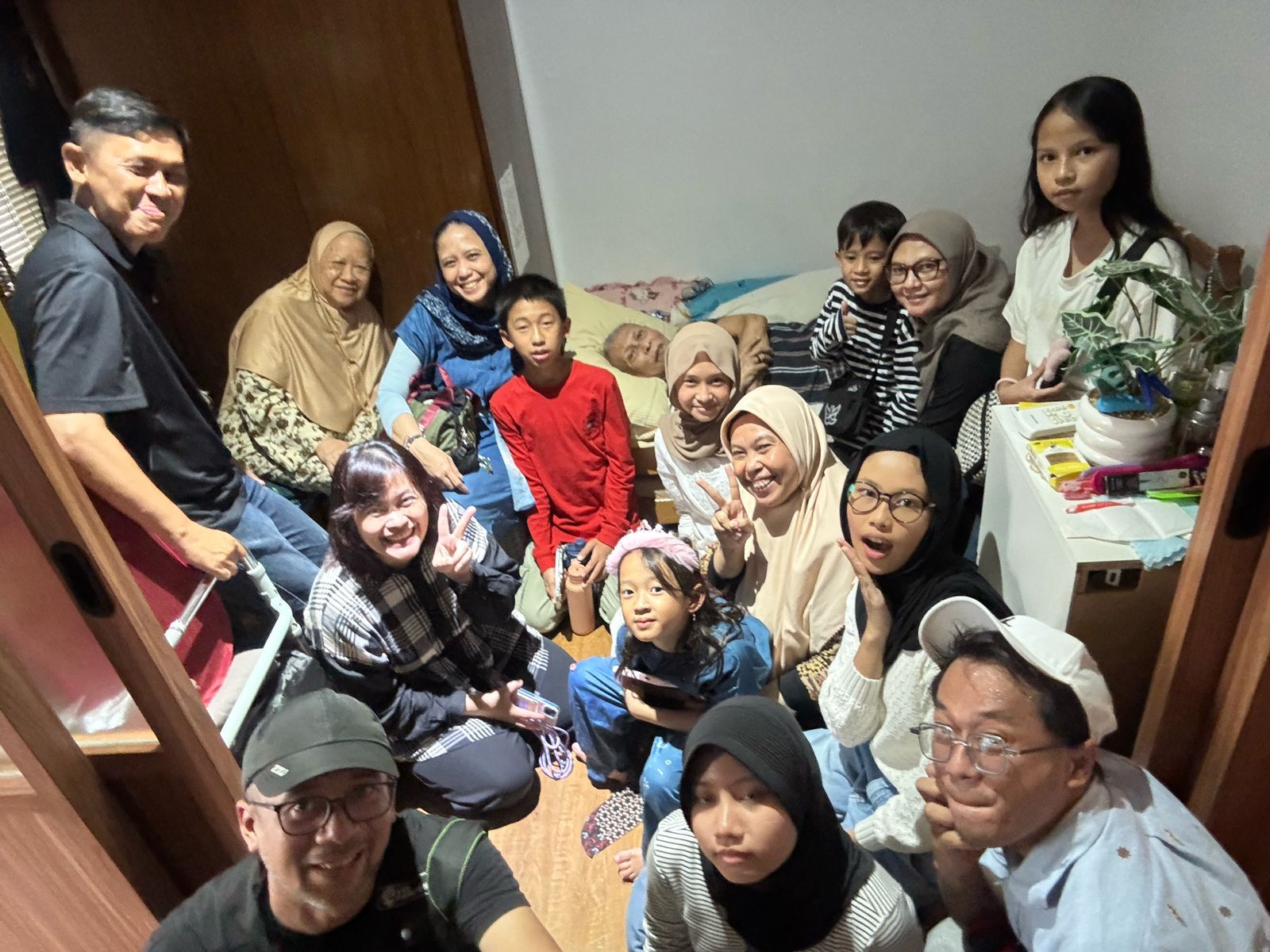
Imagine this: during Eid, the house is full of voices. Stories about life, children’s education, work, health, love, loss, dreams, and disappointment—everything hits like wave after wave. It’s beautiful but also loud, fast-paced, and emotionally charged.
It’s the kind of situation that sends my executive functions into overdrive. I’m constantly filtering thoughts, managing emotions, and translating impulses into socially acceptable behavior—again and again and again.
That’s why, more often than not, I withdraw. I sit and observe.
Not because I’m arrogant or uninterested, but because my system is maxed out.
When I’m quiet in the middle of a crowd, it’s not indifference—it’s survival.
But silence is often misunderstood.
“Why does she seem unfriendly?”
“Why does Yasmina seem like she doesn’t care?”
“She seems hard to get along with.”
Comments like these hurt. Not because they’re true, but because people often don’t see the tremendous invisible effort I put in just to be fully present. Rarely do they recognize the mental labor happening behind the silence.
ADHD isn’t just about struggling to focus. It’s also about emotional sensitivity—feeling everything deeply, all at once, and trying to manage it while still showing up and staying engaged.
In social situations—especially during meaningful moments like Eid al-Fitr, filled with emotion and memories—it means constantly holding back instead of reacting. To be polite rather than honest. To present a version of myself that’s more “acceptable” than authentic.
By the end of the day, I feel completely drained. My brain has worked overtime, my emotions have been so tightly managed, and all I crave is stillness—to recharge.
Being Part of Society
Yes, the main reason is that most people with ADHD experience emotional dysregulation, which means:
- Feeling everything more intensely
- Taking longer to calm down
- Reacting quickly—before thinking
- Feeling shame or guilt for being “too much” or “too sensitive”
It’s not because I lack empathy—quite the opposite. I feel so much, so deeply, that it becomes overwhelming and exhausting. And when I try to “perform” balanced emotions to make others comfortable, it’s like stretching a rubber band until it’s about to snap.
In a society that tends to value people who are calm, composed, and emotionally predictable, I learned to mask:
- Hide the storm inside
- Overthink every response
- Constantly read the room
- “Act” like a neurotypical person
All of this depends heavily on executive function—and when I use it over and over in social settings, it takes a real toll.
That’s why after a full day of being around people, I often feel:
- Completely exhausted
- Mental fog or dizziness or even nausea
- Wanting to explode in anger—or going completely numb
- Needing solitude to breathe
Turns Out I’m Not an Introvert
When Audrey read out my ADHD diagnosis, she said I wasn’t an introvert.
Because I don’t feel drained or have issues when I’m around people I’m close to—significant others. People accept me as I am, and if I mess up, they give constructive feedback instead of being passive-aggressive.
I don’t get exhausted when I don’t have to mask or pretend to be sweet. That’s why I feel totally fine when I go to Petak 9, chat with vendors, and take photos—even though it’s crowded.
Because there, I don’t have to be someone I’m not.
Interpreting social cues—for me and for Abib, who also has ADHD—is incredibly hard. When we were kids, my mom gave us little signals, like a wink, to let us know when our behavior was getting too much.
Now, I’ve started to learn how to regulate myself and at least try to be part of society. But the cost? Exhaustion.
Gentleness Isn’t Always What You Think
I wish more people understood this: Gentleness isn’t always expressed in the happy, socially expected way.
It’s not always full of hugs. It’s not always obvious or easy to recognize.
Sometimes, gentleness is:
- Holding yourself back when overwhelmed
- Choosing silence when you want to scream
- Staying present even when you want to run away
- Responding calmly when you feel like crying
I am gentle. Just not in the way most people are used to seeing.
And that’s okay—I’m sharing this story so more people become aware, and we can build a more inclusive environment together.
After all, we care for each other, right? And take care of one another?
Honestly, I enjoy learning how to live in this human world, even though sometimes it feels easier being around animals—because they don’t expect you always to meet emotional demands, haha.
So when people ask why I talk so much about a connected society or why I’m so passionate about creating an inclusive space where everyone feels safe and accepted—
It’s because I’ve grown up feeling like an outsider.
Accepted because my mother was kind to everyone, and people didn’t want to offend her.
Accepted because people pitied me.
Tolerated because I was needed.
Agreed with this because they had no other choice.
But now… I’ve begun to know what real acceptance feels like.
I know what it’s like to be among people who don’t place endless expectations on me.
I know what it’s like to be given a chance because I actually have the competence.
I’m not just surviving anymore—I’m thriving.
Because the people closest to me accept me exactly as I am.
It turns out that’s all I needed to feel motivated to learn, to grow my determination and resilience.
Just give me connection and a sense of belonging—that’s more than enough for me to soar.
Of course, it also helps that I was raised by an incredible mom who truly understood what I needed.
She taught me to make plans, have goals, and not quit halfway—unless I realized I was just going in circles.
Since I was little, she taught me responsibility through caring for animals, so I learned what it means to nurture and love.
And it’s really okay if people call me weird—Because we’re all different at the end of the day.
We don’t have to be the same—As long as we’re not refusing to learn or making life harder for others just because we choose not to grow.

 YAMINA HASNI
Leave a comment