
Consistency
When it comes to consistency, it’s not exactly the word that describes me best. Sure, there are things I’ve ended up doing consistently, but only if they truly captivate my interest, are things I love deeply, or align with values I strongly believe in.
Growing up, my mom often emphasized the importance of consistency, determination, and finishing what I started (since I was given the freedom to choose the activities I wanted to pursue). She instilled these habits early on, from putting things back in their place after use to creating and sticking to schedules.
Imagine this:
in my 40 years of life, I’ve participated in countless organizations, courses, and certifications. I’ve taken lessons in piano, drums, guitar, photography, coffee (yes, I’ve taken three types of coffee certification courses), scriptwriting, film clubs, wildlife conservation clubs, karate, aikido, journalism, English, Arabic, Italian, child development, positive psychology, and various psychology certifications—the list goes on and on.
I’ve cycled, inline skated, swam, practiced yoga, dived, and joined writing competitions for poetry, short stories, debates, and reports. Lately, I’ve been involved in numerous education and climate change organizations.
But out of all these, the only things I’ve stayed consistent with are education, environmental sustainability, and child development. Well, photography, too—but not as a professional photographer. The rest? They’ve remained as interests, never reaching the level of expertise. So, no, I’m not a high-maintenance woman when it comes to shopping for bags, clothes, or makeup. However, if you total what I’ve spent on hobbies, classes, and books, it might just add up to a few luxury handbags or shoes.
I’ve often pushed myself to finish what I started, but staying consistent across many interests has proven incredibly challenging. Over the years, I’ve worked hard to meet deadlines and remain consistent in completing tasks, whether in education or work.
But truthfully, I tend to finish things right up against the deadline or find clever ways to manage—like collaborating with partners, managing time creatively, or negotiating.
Managing or Masking?
After having kids, I became far more disciplined, but this also made me more anxious and irritable.
My mind is a constant whirlwind. I generate countless ideas daily, and my brain never seems to stop, making it hard to sleep. Believe me, I’ve been staying up past midnight since elementary school.
I know I’m forgetful. My mom tried everything to help me remember—teaching me to keep a diary, making me write notes and hang a pen around my neck, even labeling boxes at home with stickers like “nail clippers” or “stationery” so I’d remember to put things back.
I tried to remember everything when I had kids, but it only made me more tense—afraid of failing, forgetting, or feeling inadequate.
Everything changed when I realized I had been suppressing so many emotions just to perform, to live up to societal expectations of consistency, and to earn others’ trust.
This revelation came through regular consultations with a clinical psychologist and EMDR therapy.
I came to understand that all the tension and rigidity were masking my struggles to conform to societal demands, demands that didn’t allow me to just be Yasmina.
Diagnosed with ADHD
Finally, in 2024, I was diagnosed with ADHD combined presentation—inattentive and hyperactive. My brain functions differently, both physiologically and psychologically. It’s not something I made up or sought attention for, and it’s not an illness that can be cured. But it can be turned into a strength because, as they say, “different, not less.”
One thing that made me smile while reading the 10-page diagnosis report was the acknowledgment of my relatively strong emotional regulation for someone with ADHD.
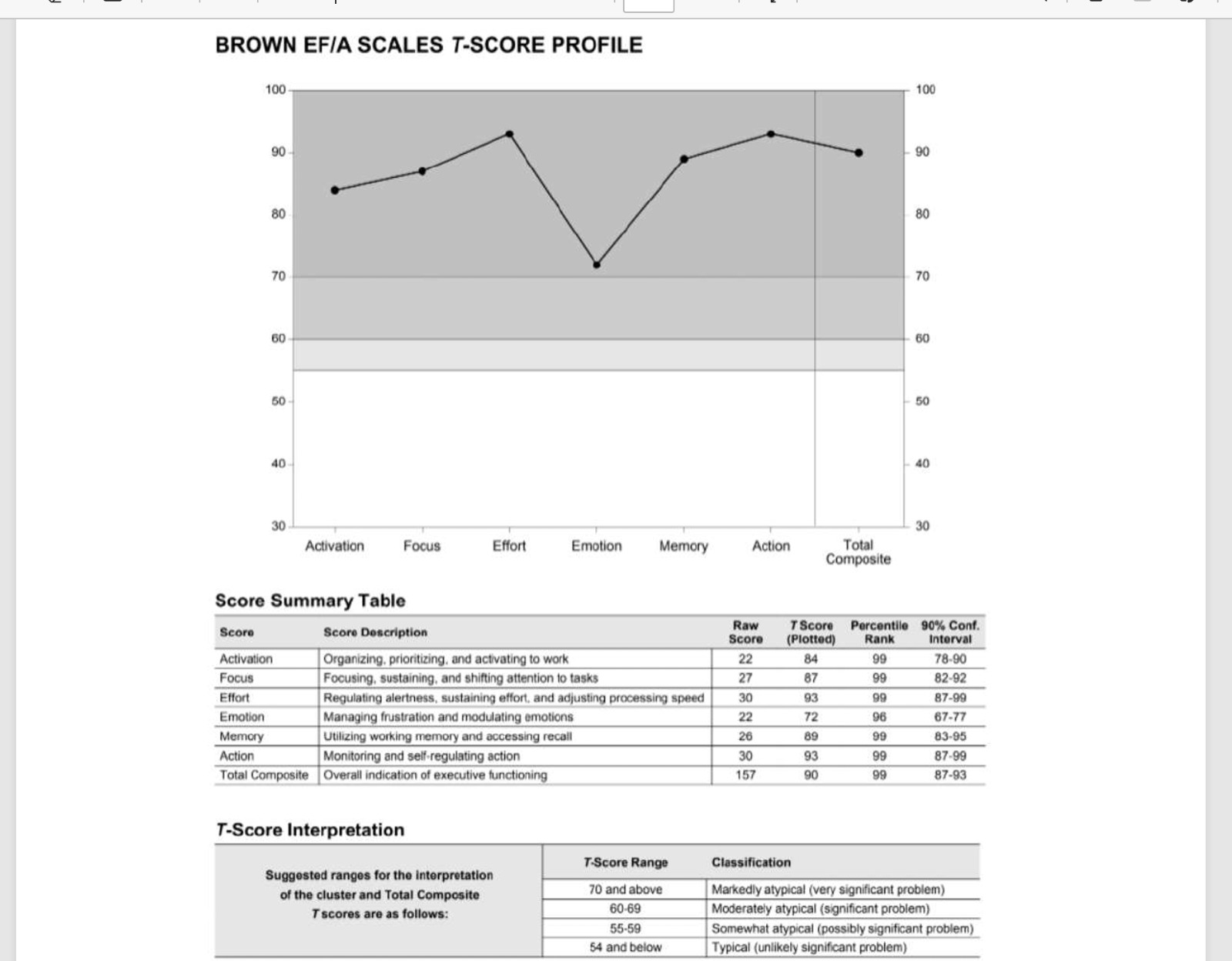
My assessor credited this to my regular therapy sessions and the safe space my psychologist provided, allowing me to accept myself.
Of course, this doesn’t mean I go around saying, “Hey, I have ADHD, so I just can’t do this or that.” Instead, understanding and embracing myself has allowed me to ask for help when needed, delegate tasks to others who excel in areas where I struggle, and use technology—apps, for example—to keep my life on track.
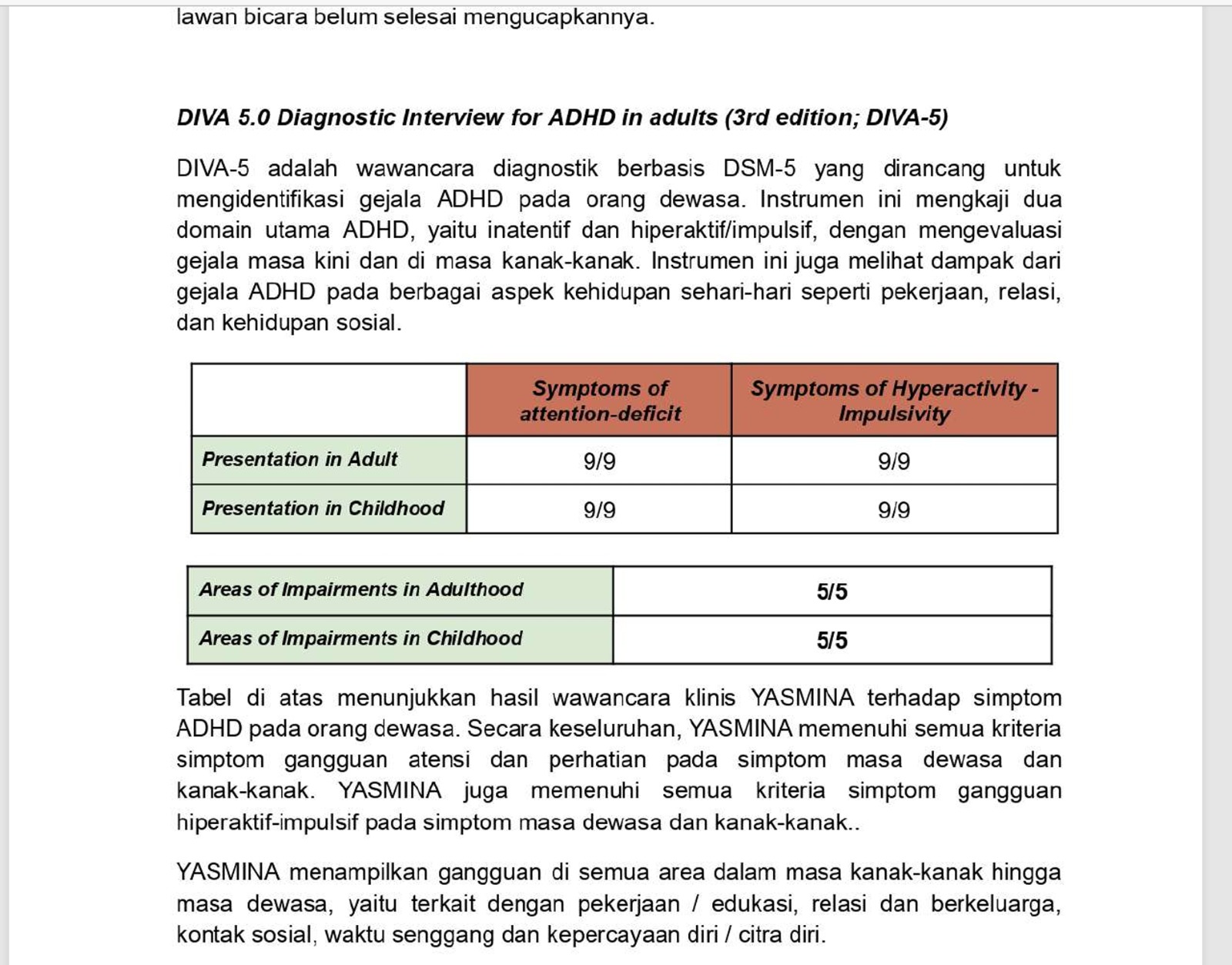
I’ve also become more composed, learned to breathe before acting impulsively, and recognized that when my mind feels like a four-way traffic collision, I must untangle my thoughts—even if it takes repeating things a thousand times—to act more wisely.
Again, connection!
Yes, I have weaknesses. Don’t we all? That’s why I always emphasize the importance of connection. With connection, we don’t obsess over our flaws or try to improve areas where we’re already maxed out. Instead, we focus on our strengths and collaborate with people who can handle the parts we struggle with.
Knowing my brain works this way, I never force myself into roles that demand detailed work. For example, I’d never position myself as an operations manager or accountant—that would only make me feel like a failure every minute.
Instead, I thrive in strategy, generating endless ideas, seeing the big picture, and identifying opportunities to integrate various elements.
Understanding my strengths has helped me achieve consistency.
It allows me to perform well in areas I genuinely enjoy. Once I embraced this, I could also explain my condition to my kids and Poe, enabling them to share responsibilities with me. This has made our home a safe and supportive space where I feel genuinely accepted.
Knowing how my brain works has also helped me prioritize. I can now distinguish between hobbies I don’t need to pursue extensively and areas I must focus on to achieve my goals.
Now, I understand it’s not about being incapable of consistency or expecting others to tolerate me despite their frustrations endlessly. It’s about aligning myself with what I can and want to do. It’s about fairly sharing responsibilities based on each person’s strengths rather than forcing something that doesn’t fit.
Implemented in AKAR
This mindset has shaped our AKAR Family HRD system, which is built on connection and strength-based competencies. Promotions, changes, or role transitions are determined by mapping individuals’ strengths so they can optimize their potential and work consistently on what they enjoy.
Why force someone into leadership when their strength lies in detail-oriented work that is better suited for a technical role? And vice versa. Salary isn’t about titles; it’s about competencies. If someone’s strength isn’t decision-making but detailed execution, their pay shouldn’t be less than a Head’s.
What’s the point of titles if they lead to forced competencies?
This creates chaos, with everyone scrambling for higher positions—even through harmful means—just to earn a higher salary despite feeling pressured and uncomfortable in their roles.
It’s time for a change. It’s time for us all to create space for understanding, accepting, and fully loving ourselves.
After all, isn’t the ultimate goal to optimize our potential and do something we can sustain consistently?

 YAMINA HASNI
Leave a comment